Introduction
Fire risk assessment is a vital process used to identify potential fire hazards, evaluate the level of risk, and implement suitable control measures to protect people and property. Fires can cause severe injuries, loss of life, and major financial damage if proper precautions are not taken. A well-conducted fire risk assessment helps organizations prevent fire incidents and respond effectively in case of an emergency. Understanding the key factors involved in a fire risk assessment is essential for maintaining a safe environment in workplaces and public buildings.
Identification of Fire Hazards
The first key factor in a fire risk assessment is identifying potential fire hazards. Fire hazards are typically grouped into three categories: sources of ignition, sources of fuel, and sources of oxygen. Common ignition sources include electrical equipment, heating systems, cooking appliances, and open flames. Fuel sources may consist of flammable liquids, paper, cardboard, textiles, and waste materials. Proper identification of these hazards allows organizations to take preventive measures to reduce the likelihood of fire.
People at Risk
Another important factor is identifying the people who may be at risk in the event of a fire. This includes employees, visitors, customers, contractors, and members of the public. Special consideration must be given to vulnerable individuals such as children, elderly people, pregnant women, and persons with disabilities. Understanding who is at risk helps in designing effective evacuation plans and ensuring that fire safety measures meet the needs of all occupants.
Evaluation of Fire Risks
Evaluating the level of risk is a critical step in the fire risk assessment process. This involves assessing the likelihood of a fire occurring and the potential consequences if it does. Factors such as building layout, occupancy levels, and the nature of activities carried out on the premises should be considered. Risk evaluation helps prioritize areas that require immediate attention and ensures that resources are allocated effectively to reduce fire hazards.
Fire Detection and Warning Systems
Effective fire detection and warning systems are essential for early fire identification and safe evacuation. A fire risk assessment must consider whether smoke detectors, heat detectors, fire alarms, and manual call points are installed, maintained, and tested regularly. Audible and visual alarms should be suitable for all occupants, including those with hearing or visual impairments. Early warning systems significantly reduce response time and improve safety outcomes.
See also: Web Applications Vs Desktop Applications
Means of Escape and Emergency Routes
Safe means of escape are a crucial factor in fire risk assessment. Emergency exits must be clearly marked, adequately lit, and kept free from obstructions at all times. The assessment should consider the number of exits, their locations, and whether they are sufficient for the number of occupants. Emergency lighting and signage are essential to guide people safely during power failures or smoke-filled conditions.
Firefighting Equipment and Fire Protection Measures
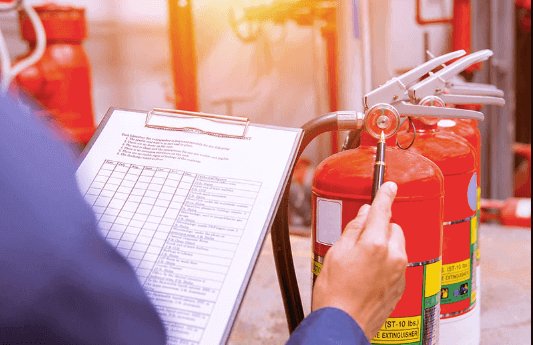
Fire risk assessments must also evaluate the availability and suitability of firefighting equipment. This includes fire extinguishers, fire hose reels, sprinkler systems, and fire blankets. Equipment should be appropriate for the types of fire risks present and easily accessible. Staff training in the safe use of firefighting equipment is equally important, as untrained use can be dangerous.
Emergency Planning and Staff Training
Emergency planning is a key factor that ensures an effective response during a fire incident. Fire evacuation plans should be documented, communicated, and displayed clearly within the premises. Regular fire drills help staff understand their roles and responsibilities during an emergency. Training increases awareness, reduces panic, and ensures orderly evacuation when a real fire occurs.
Review and Continuous Improvement
Fire risk assessment is not a one-time task and must be reviewed regularly. Changes in building structure, occupancy, equipment, or operations can introduce new fire risks. Regular reviews ensure that fire safety measures remain effective and up to date. Continuous improvement helps organizations adapt to changes and maintain a high standard of fire safety.
Conclusion
In conclusion, fire risk assessment is an essential safety process that requires careful consideration of several key factors. Identifying fire hazards, understanding who is at risk, evaluating risks, ensuring effective detection systems, maintaining safe escape routes, and providing proper training are all critical elements. By considering these factors and reviewing assessments regularly, organizations can significantly reduce fire risks and create a safer environment for everyone.