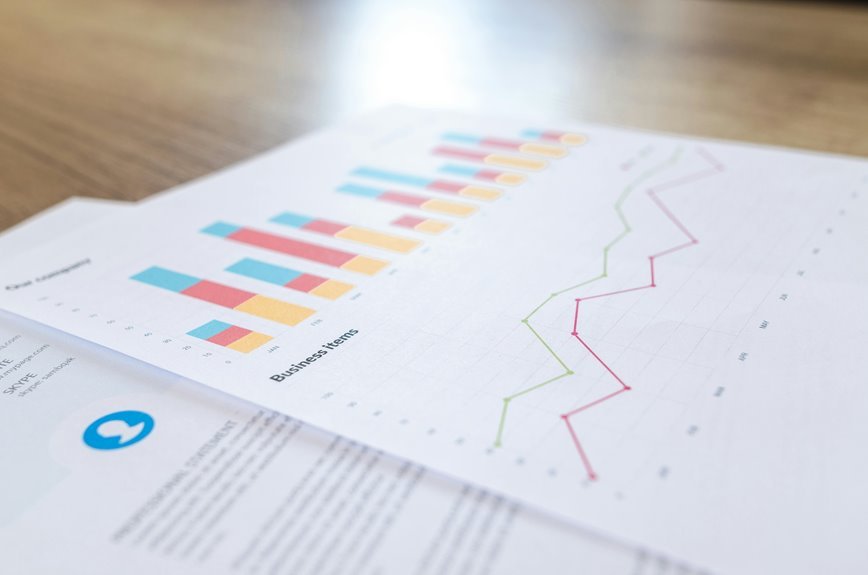
The Monitoring Summary for 1800120170170 and Caller Alerts outlines purpose, data sources, and measurement methods, with clear reporting cadence and defined alert thresholds. It explains how alerts trigger when indicators exceed baselines, and how metrics are aggregated for stakeholders, with escalation if conditions persist. The discussion centers on transparent, auditable alert governance and proactive trend interpretation to guide timely interventions. This framework invites evaluation of workflows and potential impacts on uptime, inviting further consideration of next steps.
What the Monitoring Summary for 1800120170170 Covers
The Monitoring Summary for 1800120170170 outlines the scope, purpose, and key elements of the monitoring activity. It presents a concise Monitoring overview, detailing data sources, measurement methods, and reporting cadence. Alert thresholds are defined to distinguish normal from abnormal conditions, enabling timely responses. The document emphasizes objectivity, reproducibility, and alignment with freedom-minded governance.
How Caller Alerts Trigger and What They Do
Caller alerts are triggered when monitored indicators exceed predefined thresholds or deviate from established baselines, signaling potential issues that require attention.
The system applies trigger mechanics to detect anomalies, initiating alerts without delay.
Alerts summarize impacted metrics, direct stakeholders to check status, and escalate when conditions persist.
They support rapid response, while maintaining non-disruptive, transparent communication across teams.
caller alerts, trigger mechanics.
Interpreting Key Metrics for Proactive Response
Interpreting key metrics enables proactive response by translating raw indicators into actionable insights.
The analysis focuses on trend reliability, anomaly frequency, and lead time for interventions.
It supports disciplined decision-making through responsive monitoring and timely proactive alerts, enabling teams to allocate resources effectively, validate thresholds, and anticipate incidents before impact, while preserving freedom to adapt strategies as conditions evolve.
Best Practices to Optimize Alert Workflows and Uptime
Building on the prior focus on translating metrics into proactive actions, this section outlines actionable practices to streamline alert workflows and maximize system availability.
It emphasizes data stewardship to ensure high-quality signals and defines incident taxonomy for consistent prioritization.
Clear ownership, automated routing, and documented escalation reduce noise, shorten resolution times, and preserve uptime while supporting auditable, scalable alert governance.
Conclusion
The Monitoring Summary for 1800120170170 and Caller Alerts acts as a lighthouse, guiding responders through foggy metrics with clear, auditable signals. It translates data into actionable thresholds, keeping disruption fleeting and decisions deliberate. By framing trends with transparency and non-disruptive communication, it turns urgency into measured response. In this disciplined choreography, proactive interpretation secures uptime, while governance ensures every alert earns its keep, aligning resource use with dependable, steady service.