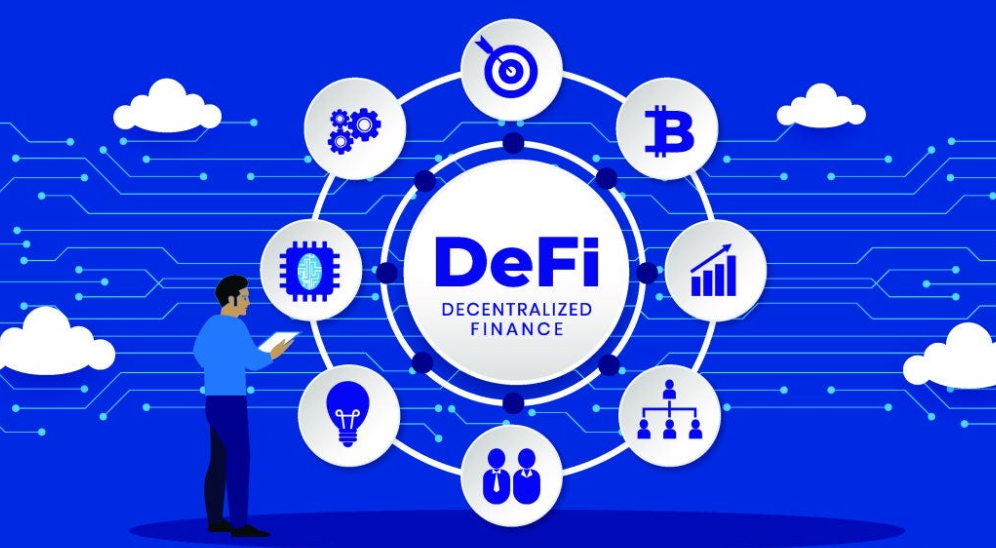
The financial industry is undergoing a profound transformation with the emergence of Decentralized Finance (DeFi). DeFi leverages blockchain technology and smart contracts to create financial services that operate without intermediaries like banks, brokers, or payment processors. This innovation promises to democratize finance, increase transparency, and provide global access to financial tools. Understanding the rise of DeFi is essential for investors, developers, and anyone interested in the future of money.
What Is DeFi?
Decentralized Finance, or DeFi, refers to a financial ecosystem built on blockchain networks, primarily Ethereum, that provides services such as lending, borrowing, trading, and investing without relying on centralized institutions. Smart contracts, which are self-executing programs on the blockchain, power these platforms and ensure trustless transactions.
Key Features of DeFi
- Decentralization: Operates without central authorities, reducing reliance on traditional banks.
- Transparency: All transactions are recorded on public blockchains and are auditable.
- Accessibility: Anyone with an internet connection and a digital wallet can participate.
- Programmability: Financial products can be automated through smart contracts.
See also: Virtual Entertainment Technologies
How DeFi Works
DeFi platforms use smart contracts to automate financial processes. These contracts are deployed on blockchains like Ethereum, Binance Smart Chain, or Solana. Users interact with these platforms through digital wallets, enabling them to:
- Lend and Borrow: Users can lend their assets to earn interest or borrow funds by providing collateral.
- Trade Assets: Decentralized exchanges (DEXs) allow peer-to-peer trading of cryptocurrencies without intermediaries.
- Earn Yield: Yield farming and liquidity provision enable users to earn returns by contributing assets to liquidity pools.
- Access Stablecoins: DeFi platforms issue stablecoins pegged to fiat currencies, allowing low-volatility transactions.
Advantages of DeFi
1. Financial Inclusion
DeFi allows anyone worldwide to access financial services, even in regions where traditional banking is limited. This accessibility can empower the unbanked and underbanked populations.
2. Lower Costs
By removing intermediaries, DeFi reduces transaction fees and operational costs, making financial services more affordable.
3. Innovation and Flexibility
DeFi enables new financial products that were impossible in traditional systems, such as automated insurance, synthetic assets, and programmable derivatives.
4. Transparency and Security
Blockchain’s immutable ledger ensures that all transactions are transparent and verifiable, enhancing trust and reducing the risk of fraud.
Challenges Facing DeFi
Despite its promise, DeFi faces several challenges:
- Smart Contract Vulnerabilities: Bugs in code can lead to hacks or loss of funds.
- Regulatory Uncertainty: Governments are still developing frameworks for decentralized financial systems.
- Market Volatility: Cryptocurrencies are highly volatile, affecting loans, collateral, and returns.
- User Experience: DeFi platforms can be complex, creating barriers for mainstream adoption.
Examples of Popular DeFi Platforms
- Aave: A decentralized lending and borrowing platform allowing users to earn interest on deposits and borrow assets.
- Uniswap: A decentralized exchange enabling peer-to-peer token swaps without an intermediary.
- Compound: A protocol that allows users to lend and borrow cryptocurrencies while earning interest.
- MakerDAO: A platform issuing the DAI stablecoin, which maintains a 1:1 peg with the US dollar through collateralized loans.
The Future of DeFi
The DeFi ecosystem is expected to grow significantly as blockchain technology matures and user adoption increases. Potential future developments include:
- Interoperability: Seamless interaction between different blockchain networks for more robust DeFi services.
- Integration with Traditional Finance: Hybrid models that connect DeFi with banks and payment systems.
- Enhanced Security Measures: Improved auditing, bug bounties, and insurance protocols to protect users.
- Scalability Solutions: Layer 2 solutions and new blockchains that reduce transaction fees and improve speed.
Conclusion
The rise of decentralized finance marks a paradigm shift in the global financial system. By removing intermediaries, providing transparency, and enabling global access, DeFi has the potential to democratize financial services and empower individuals worldwide.
While challenges such as regulation, security, and user experience remain, DeFi is poised to reshape finance, offering new opportunities for innovation, investment, and financial inclusion.
Decentralized Finance is no longer a futuristic concept—it is actively changing the way we think about money, banking, and digital assets.